Aviation Switching Module – NSN 4920-01-250-2696 (AS-IS / Untested): Aerospace Switching Unit for Professional Inspection
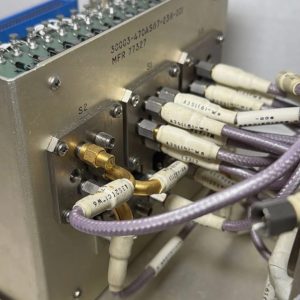
The Aviation Switching Module – NSN 4920-01-250-2696 (AS-IS / Untested) provides aviation maintenance organizations, military-surplus buyers, aerospace technicians, equipment restorers, and collectors with access to a catalog-identified switching component whose operational status has not been confirmed.
An Aircraft Switching Module and Aerospace Switching Module should be treated as specialized equipment rather than universal components that can be connected to any aircraft electrical system.
An Aircraft Electrical Switching Module can have commercial value for technicians, while an Aviation Electrical Control Module or Aerospace Electrical Control Unit requires qualified bench evaluation before operational consideration.
Whether described as an Aviation Control Module, Aircraft Switching Unit, Aerospace Power Distribution Module, Aircraft Electrical Control Unit, or Aviation Power Control Module, the component should remain identified primarily by its NSN and physical markings.
Why NSN Verification Matters
NSN 4920-01-250-2696 should be compared with get more info the data plate, manufacturer number, contract markings, serial number, connector layout, and available documentation on the actual unit.
Unknown markings should be photographed and recorded rather than interpreted without support.
Evaluating Surplus Aircraft Electronics
The condition description should be understood as a limitation rather than a suggestion that the unit is probably operational.
An untested component should not be connected directly to aircraft wiring, expensive test equipment, batteries, laboratory supplies, or unknown power sources.
Aircraft Circuit Selection Equipment
An Aircraft Switching Module may provide circuit selection, signal routing, controlled connection, isolation, mode selection, or interface functions within compatible aviation equipment.
A detailed visual inventory supports informed evaluation of the Aircraft Switching Module.
Aerospace Enclosure and Connector Condition
The module may have been designed for vibration, transportation, storage, maintenance, or aerospace operating environments, but present performance should not be assumed.
Connectors should be examined for bent pins, pushed-back contacts, corrosion, contamination, cracked inserts, damaged threads, broken keyways, missing caps, and impact marks.
Aircraft Electrical Hardware Review
Discoloration near connectors or switches may indicate electrical heat, chemical exposure, or ordinary aging and should be investigated.
Seals, labels, inspection marks, tamper indicators, and original component arrangements may have historical or technical value.
Choosing an Aviation Electrical Control Module
The exact interface must be established through diagrams, manuals, connector data, or verified system information.
High-resolution photographs can preserve readable details before cleaning or restoration.
Aircraft Power Switching Module Considerations
Controlled bench evaluation should be completed by personnel familiar with aerospace electrical hardware.
Accurate reporting protects buyers seeking an Aircraft Power Switching Module for repair, parts, or research.
Electrical Control Unit Restoration
Its internal design may include electromechanical components, solid-state devices, wiring assemblies, circuit protection, or specialized connectors.
Every repair should be photographed and recorded if the module is restored.
Aircraft Signal Switching Module Uses
Signal circuits can be sensitive to grounding, shielding, contact resistance, connector condition, and electromagnetic interference.
A complete accessory inventory improves the commercial presentation of the Aircraft Signal Switching Module.
Professional Aviation Module Evaluation
Clear intended use helps establish realistic expectations for an AS-IS Aviation Control Module.
Accurate configuration review reduces the risk of an unsuitable Aviation Control Module acquisition.
Commercial Value of an Untested Switching Unit
Detailed condition reporting supports fair commercial evaluation.
Training use should avoid destructive modifications when the component has collectible or restoration value.
Choosing an Aerospace Power Distribution Module
Internal conductive components can corrode or loosen during storage.
Bent brackets, enlarged holes, missing fasteners, or distorted mounting surfaces may complicate restoration.
Choosing an Aircraft Electrical Control Unit
Documented condition improves confidence among buyers of legacy Aircraft Electrical Control Unit equipment.
Functional evaluation should proceed in stages, beginning with research and non-powered inspection before controlled electrical testing.
Aviation Electrical Power Management
The seller should avoid presenting the module as compatible with commercial aircraft, helicopters, military aircraft, or UAVs without evidence.
The equipment should remain disconnected and protected during storage.
Understanding an Aircraft Electronic Switching System
A systems approach supports more accurate troubleshooting and restoration.
Repair documentation can help distinguish module faults from system faults.
Preserving Military Aviation Equipment
The unit should not be stacked beneath heavy equipment or left on conductive surfaces.
The module should be enclosed in a moisture-resistant protective layer and placed inside a strong outer carton or suitable shipping case.
Evaluating Surplus Aerospace Equipment
The potential cost of connectors, manuals, test equipment, repairs, components, and specialist labor should be included in the buying decision.
Unknown information should remain clearly identified as unknown.
Evaluating an AS-IS Aircraft Switching Unit
The AS-IS and untested condition should appear clearly within the title, description, invoice, and transaction terms.
- Resolve identity, configuration, application, and package-completeness questions before payment.
- Arrange qualified technical evaluation whenever condition, internal status, or testing requirements remain uncertain.
- Retain purchase records, photographs, labels, research, testing notes, and repair documentation with the module.
Professional Bench Evaluation
A methodical process reduces the risk of damaging rare aviation equipment.
Powered testing should proceed gradually while monitoring current, temperature, smell, noise, indicators, and unexpected behavior.
Documenting Aviation Electronics Restoration
Restoration should begin with condition documentation, careful cleaning, technical research, component identification, fault isolation, and repair planning.
The final product status should describe only the functions that were evaluated successfully.
Buying NSN 4920-01-250-2696
The Aviation Switching Module – NSN 4920-01-250-2696 (AS-IS / Untested) offers stronger commercial appeal when its markings, controls, connectors, enclosure, accessories, history, and limitations are documented accurately.
Buyers should request detailed photographs, accurate AS-IS disclosures, technical research, secure transaction terms, protective shipping, and qualified evaluation where appropriate.
Whether the product is described as an Aircraft Switching Unit, Aerospace Power Distribution Module, Aircraft Electrical Control Unit, or Aviation Power Control Module, AS-IS limitations should remain clear.
With prompt attention to switches, connectors, wiring, enclosure condition, corrosion, labels, and internal components, the module can preserve its technical and commercial potential.